
Taps
A Thing out of procrastination, validated by research.

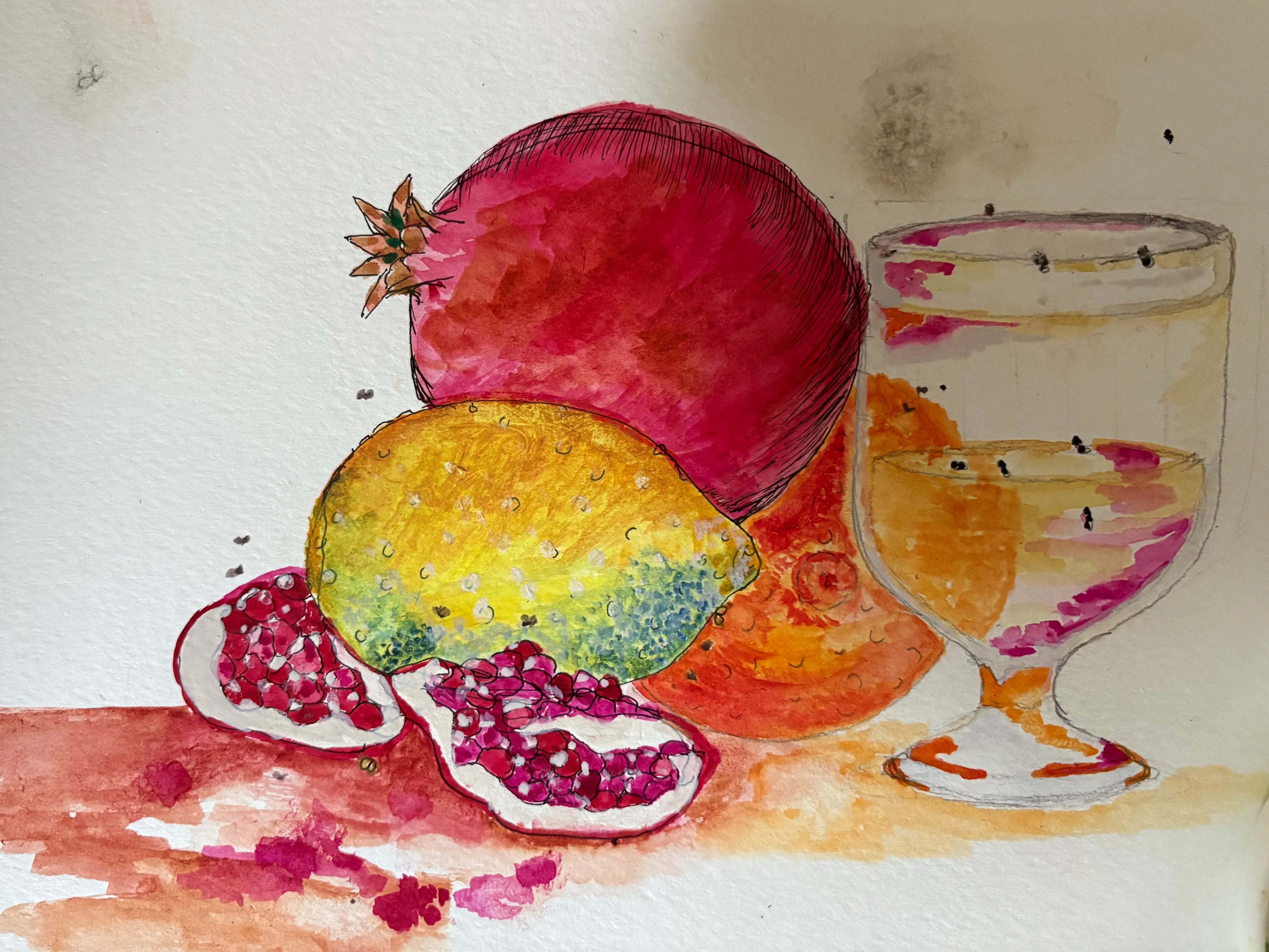
The houseflies that had recently made their way under the door were far too excited to wait for the pools of sick to cool. Although there were challengers for this meal, there was plenty to go around; none would starve. The houseflies were irritated at having to share it with the diminutive, horny, red-eyed malingerers. In a quick tour around the room, the group of houseflies buzzed past the windowsill, noting that it was caked with a thick layer of dust, hair, pollen, and the tiny bodies of their expired compatriots. Their flight slow and a little lower as they hovered above the accumulation of desiccated remains of the fallen ones, they felt the electric sting of mortality as it flashed in a relay between sensory organs.
Tighter and more numerous, decaying and filling space in the same dusty areas, the lifeless clusters of the once annoying fruit flies generated no sentimental feelings within the houseflies. Rather, the houseflies experienced a zap of schadenfreude, a satisfaction that there were fewer bothersome heathens to navigate. The mood began as one of excitement, but the corpses of their own kind inspired a sentimental pause; a trepidation that lowered their spirits and heightened their awareness. More vigilant now, they descended toward the repast under a pall of mortality and loss[1].
[1] As most creatures have an ability to recognize their own kind, as well as differences within (gender, disease, age), it seems likely that even flies will at least have a momentary thought to a differentiation between species. It also seems to me that flies, like all creatures, have some understanding of “death” when they encountered it within the species—along with a motivation to continue living spurred by death’s abject reality. Certainly, they would not like it to come for them. Researchers at The University of Michigan have found that, “when live flies see, and to a lesser extent smell, an excess of dead flies in their environment, they become aversive to other flies, and they exhibit significant acute and chronic physiological changes, including rapid decreases in stored fat and starvation resistance as well as chronically increased mortality” (Gendron et al. 2).
Gendron, Christi M., et al. “Ring Neurons in the Drosophila Central Complex Act as a Rheostat for Sensory Modulation of Aging.” PLoS Biology, vol. 21, no. 6, 2023, pp. e3002149–e3002149, https://doi.org/10.1371/journal.pbio.3002149.
This is fascinating.
I love how your title brings it all together.